

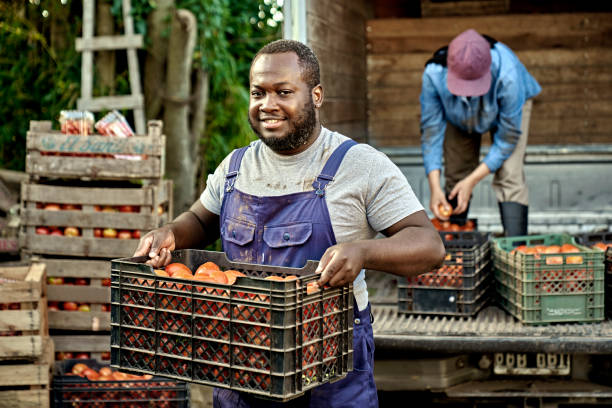

“Food Crate Ghana has made access to nutritious food easier and more reliable in our community. Their distribution model ensures consistency, and their team works closely with local people to understand real needs.”

Food Crate
Future Development
Food Crate Ghana is a not-for-profit organization committed to transforming food systems to ensure healthy, affordable, and sustainable food for people and communities. Established in 2018, we work to strengthen food distribution, improve access to nutritious food, and drive positive change across Ghana’s food and farming systems.
- Community-Driven Impact
- Sustainable Food Systems Approach
- Reliable Distribution & Delivery
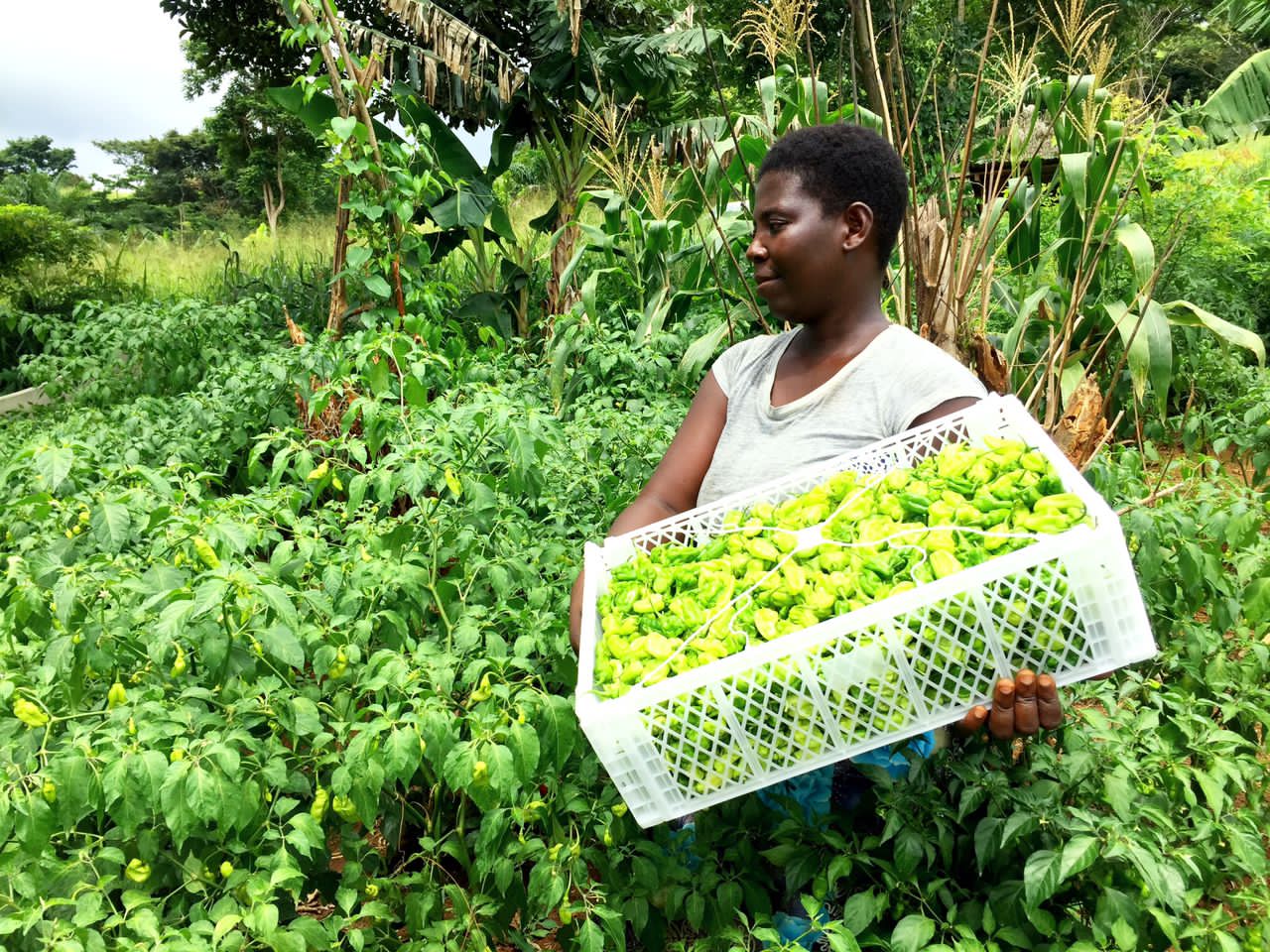
Our Farmers
Meet Our Board Chairs
Food Crate Ghana is powered by a dedicated and multidisciplinary team of professionals who share a common commitment to transforming food systems and improving access to healthy, affordable, and sustainable food.

Board Chairman
Stephen Asante Yamoah

Executive Director
Collins Kumah

Director for Information Technologies
Kuma William
Why Choose Us
We're providing high
quality products
Food Crate works directly with communities to design food systems that respond to real needs, ensuring inclusion, accessibility, and long-term impact.
-
Sustainable Food Systems Approach
We focus on building food systems that are environmentally responsible, socially accountable, and economically sustainable—benefiting both people and the planet.
-
Reliable Distribution & Delivery
Our structured community distribution model and efficient logistics ensure timely, consistent, and dependable food access across the communities we serve.
Testimonial



59
K